One of the first things I noticed in Tbilisi was the flags: EU, Georgian, and Ukrainian. The second thing I noticed was the phrase ‘Fuck Russia’, seemingly making up at least 50% of the city’s graffiti. At first sight, Georgians do not seem particularly subtle about their dislike of their neighbour. But as I learnt more about Georgia’s people and history, a more nuanced picture emerged.
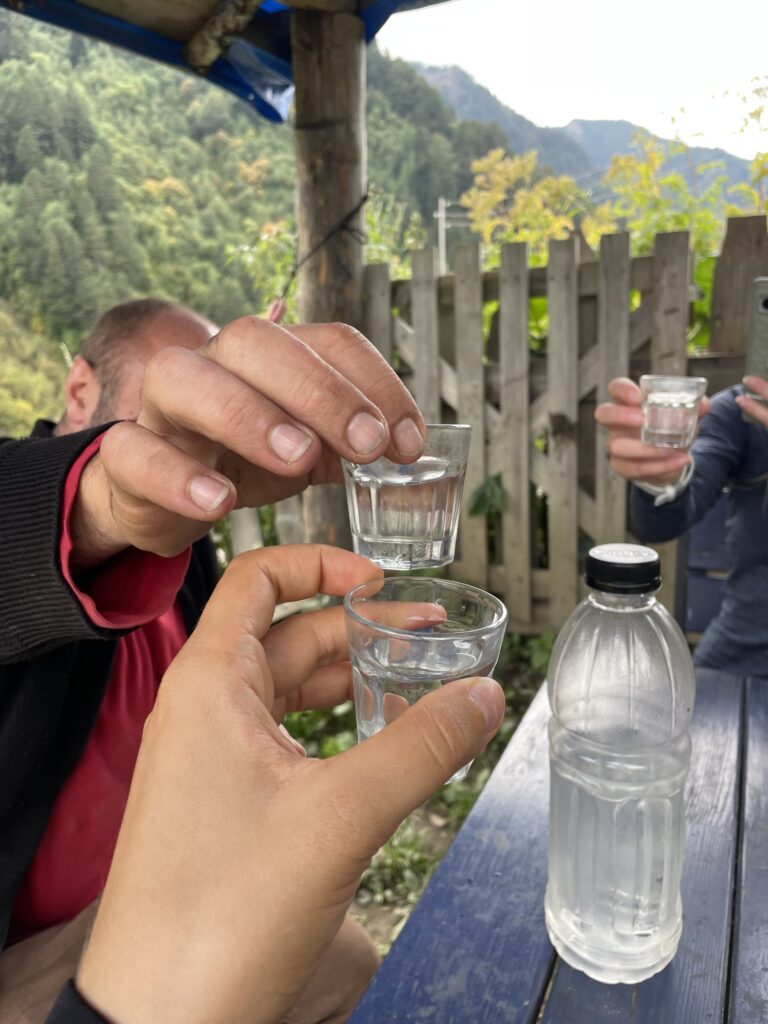
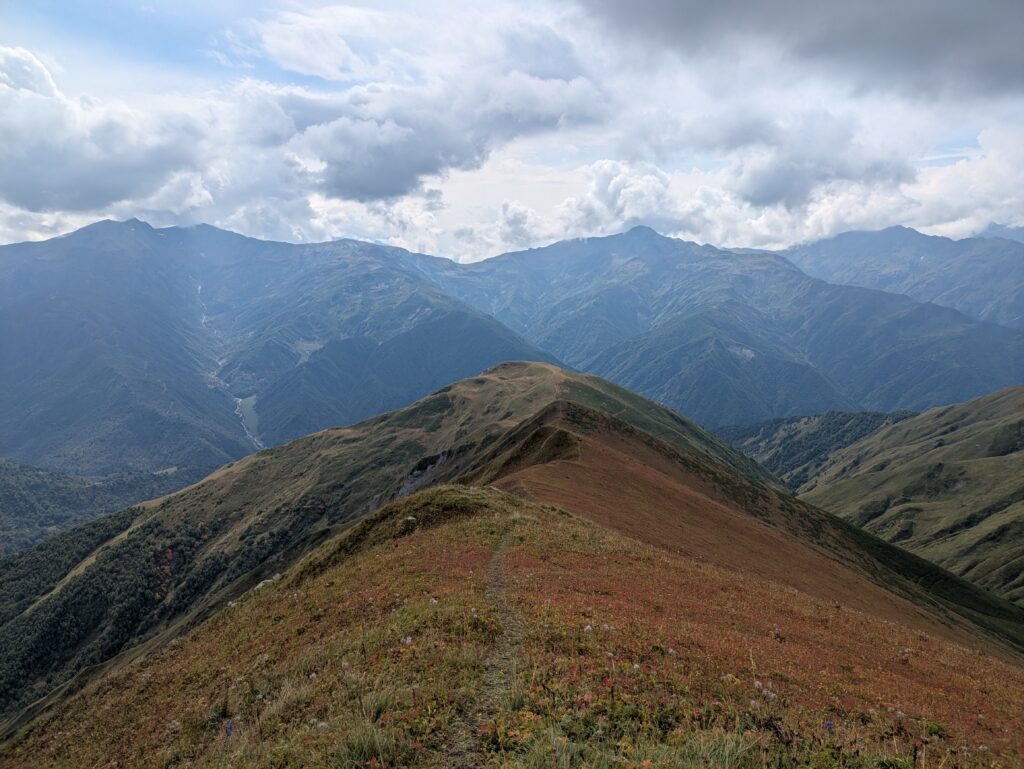
I ran into Levan at his bar-restaurant, aptly named ‘Nice Place’, at the end of a stunning hike to remote and rural Adishi. Levan is a 42-year-old local with a love for loud techno music and shots of chacha, a locally brewed hard liquor, both of which he is keen to share with the villagers and hikers in the surrounding valleys – whether they like it or not.
After four shots of chacha poured from an unmarked plastic bottle, Levan was telling me about life within the village. When I asked how he felt about being so close to the Russian border, just 11km away, Levan shrugged, saying Adishi has its own problems to deal with. Two shots of chacha later, I was dancing to Levan’s favourite techno tunes and reflecting hazily that big geopolitical problems can indeed seem very far away when you are inebriated in the mountains.
Notwithstanding Levan’s admirable stoicism, around 20% of Georgia’s internationally recognised territory is occupied by Russia. I wonder how daily life has changed for those people living in occupied territory. Are they able to discuss geopolitics over drinks and music?
I was confronted with how much I take my freedom to criticise governments for granted when I was chatting to two Belarusian travellers. They told me that they only discuss such topics in their own homes, where they leave their phones in the other room for fear of repercussions from the authorities.
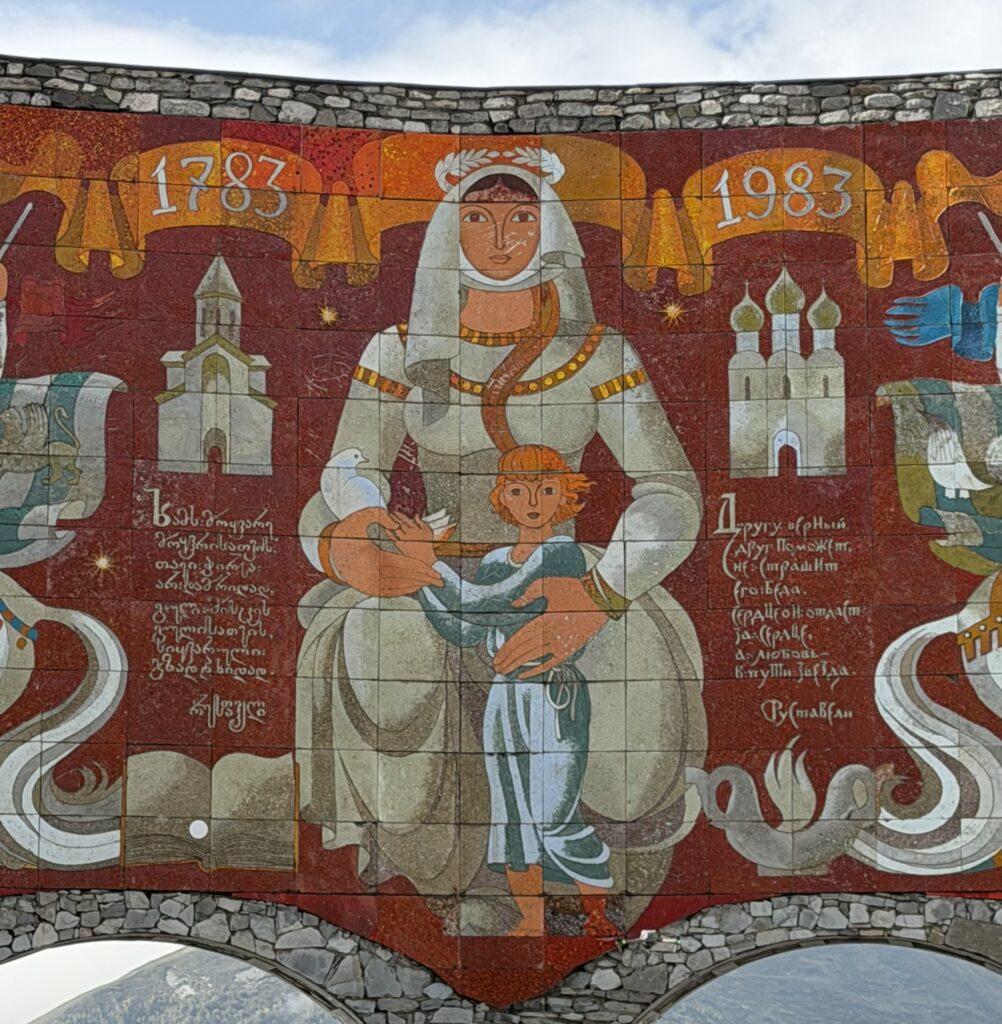
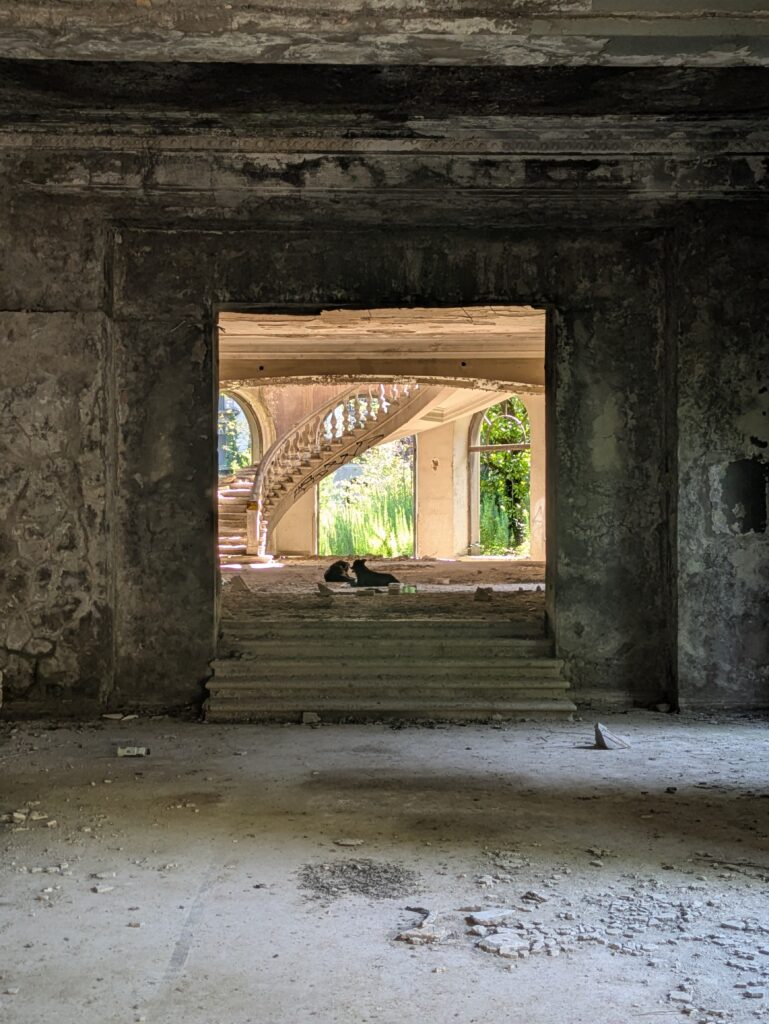
Georgia itself seems to be navigating an uncomfortable middle ground. Politically, it maintains economic and other ties with Russia. It also still has a monument to the friendship between the two countries, whose inscription begins with the words: ‘a faithful friend will help a friend’ (first photo below). At the same time, Georgia makes no secret of its ambitions for closer integration with the EU.
It seems to me that Georgia is performing a complicated balancing act, caught between competing external interests while also juggling different views and priorities within the country. But there is clearly much more to this story than I can explore here.
For me, chatting with local people to discover how big geopolitics influences their lives (preferably over techno music and home-brewed liquor) never ceases to amaze me – even if it means starting the next day’s hike with a splitting headache.
I leave Georgia feeling overwhelmed by its stunning mountains and monasteries, but mostly with a renewed appreciation of my own freedom to discuss, question and write without fear.